Once an infamous penal colony, this waterfront city is now Tasmania's cultural hub, drawing foodies and nature lovers from all over the world.
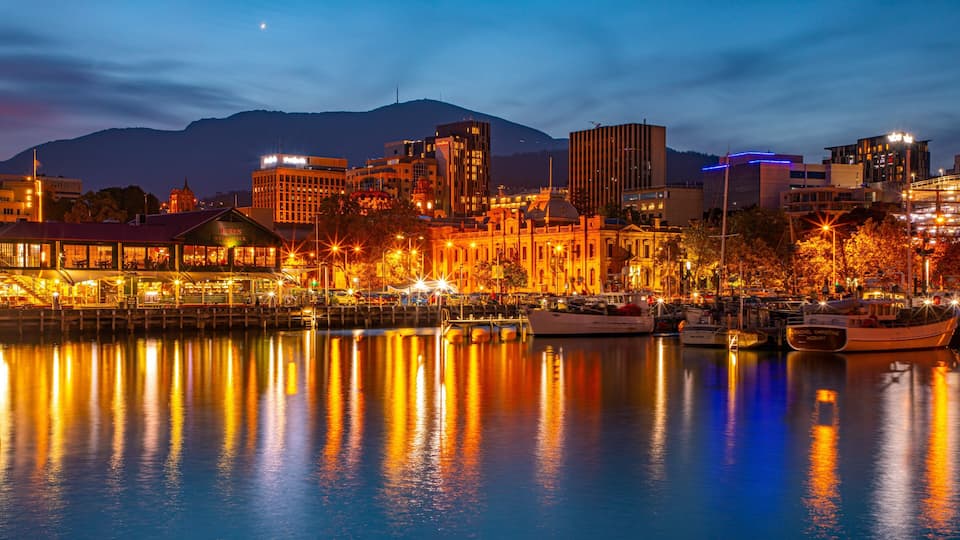
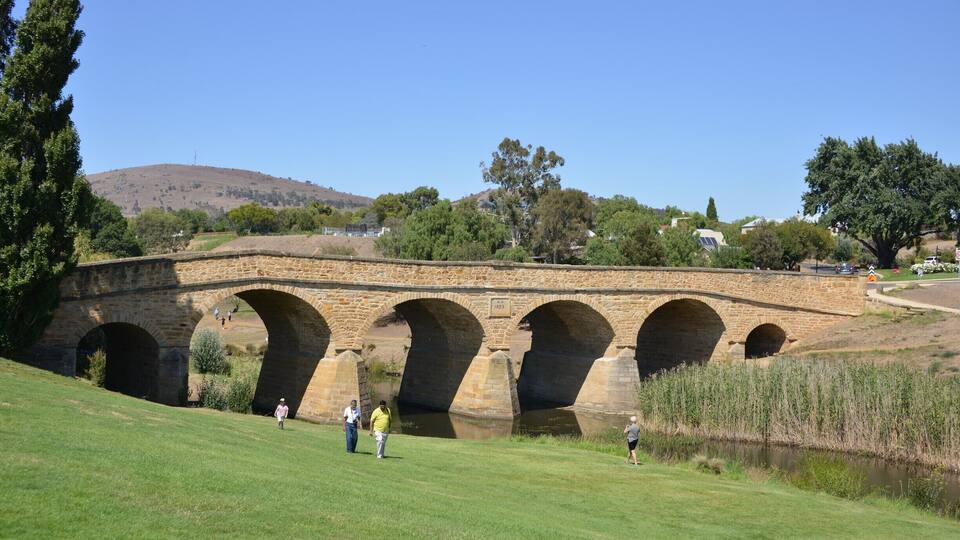
Tasmania’s capital city issteeped in history. Settled by the British in 1804, Hobart was mostly populated by convicts and soldiers. Gradually the town developed on the backs of the whaling and boat building industries. The city’s Georgian, Victorian and Edwardian architecture, sandstone warehousesand Royal Tasmanian Botanical Gardens, which date back to 1818, are a legacy of the wealth these industries generated.
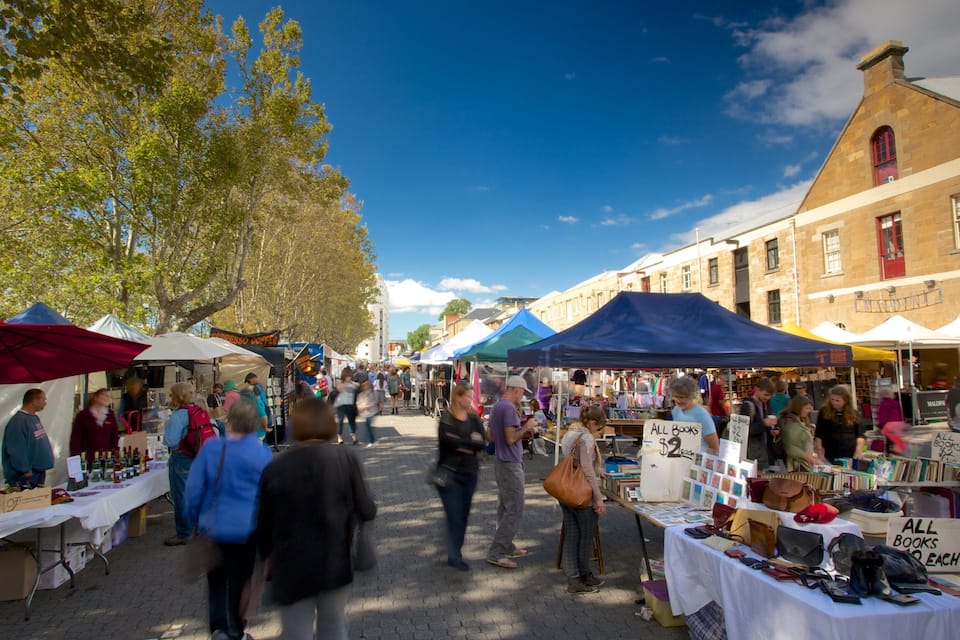
Downtown Hobart is based around the original settlement site at Sullivan’s Cove on the Derwent River, and is easy to navigate by bus or bike, or on foot. On a Saturday, catch the free HobartHopper shuttle bus from the city centre and head to the markets at Salamanca Place. Drawing tens of thousands of people, these markets offer fashion, crafts, art, gourmet food and locally grown produce. Salamanca Place is also an arts hub, so on any day of the week there’s always something to see and do in its galleries and theaters.
Gone are the days of meager convict rations Hobart today offers some of the most innovative cuisine in the country and the quality of its local produce, beer and wine is prized throughout Australia and the Asia Pacific.
The city also has a thriving theater community, with two historic theaters running seasons of plays, opera, live music and cabaret. Tour the Theatre Royal and learn about those who have graced its stage, from Laurence Olivier to Hugo Weaving.
Spend a day exploring history on the waterfront in the Tasmanian Museum and Art Gallery where the living culture of Tasmania’s indigenous people comes alive through artifacts, stories and displays. Learn about the tragic conflicts between these people and the early settlers, and the lives of indigenous people in Tasmania since then.
Board a vintage ferry and cruise down the incredibly scenic Derwent River. Learn more about city’s connection to the water at the Maritime Museum of Tasmania. You can also get a ferry to the Museum of Old and New Art (MONA), renowned internationally for its provocative and imaginative displays.
Discover Hobart’s natural side at Mount Wellington where there are hiking and biking trails, and incredible views over Hobart and the water. Outside Hobart there are other walking tracks following the coastline and river, offering great spots from which to watch the sun go down.