
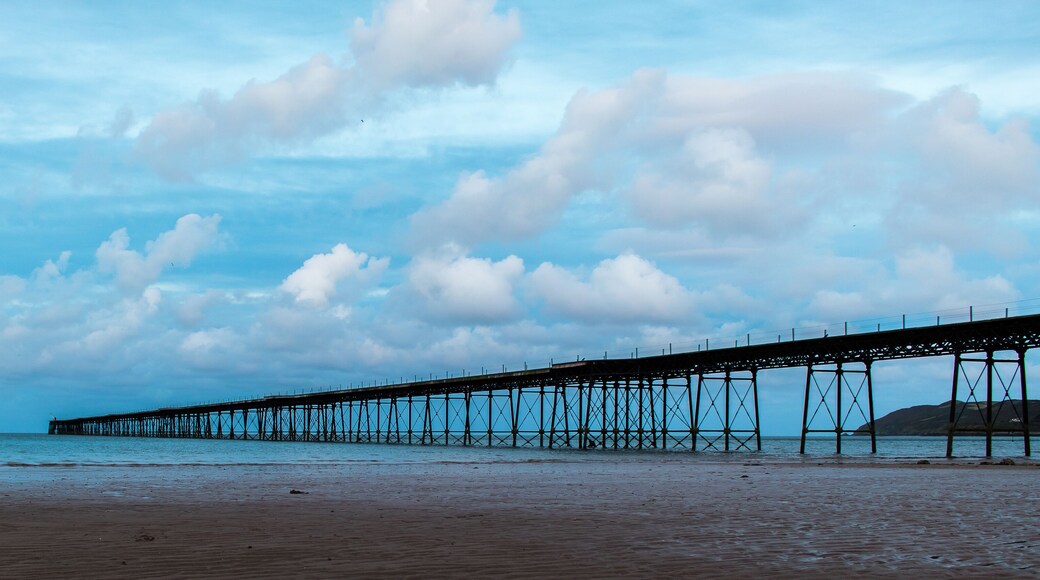
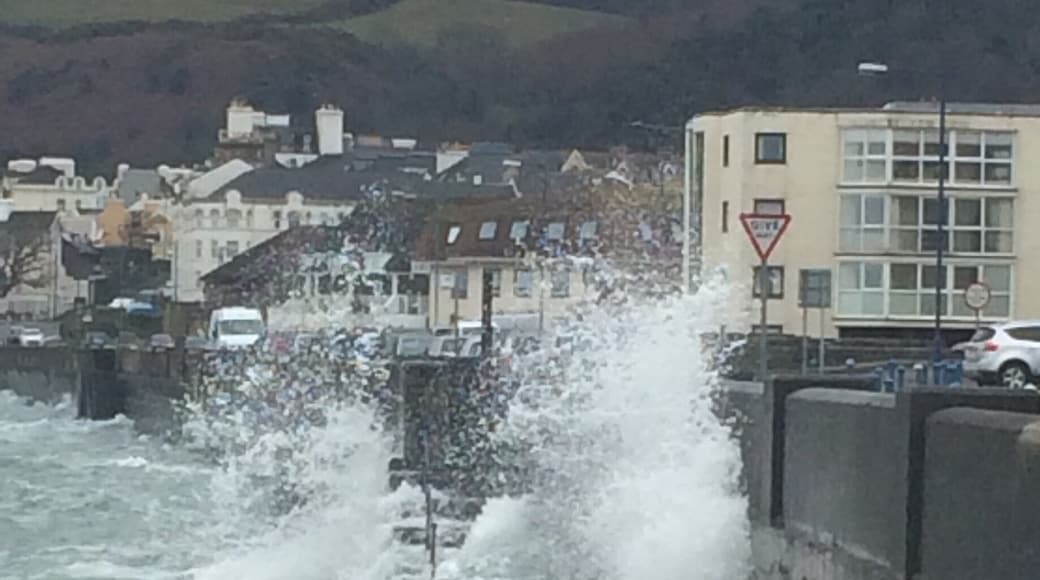
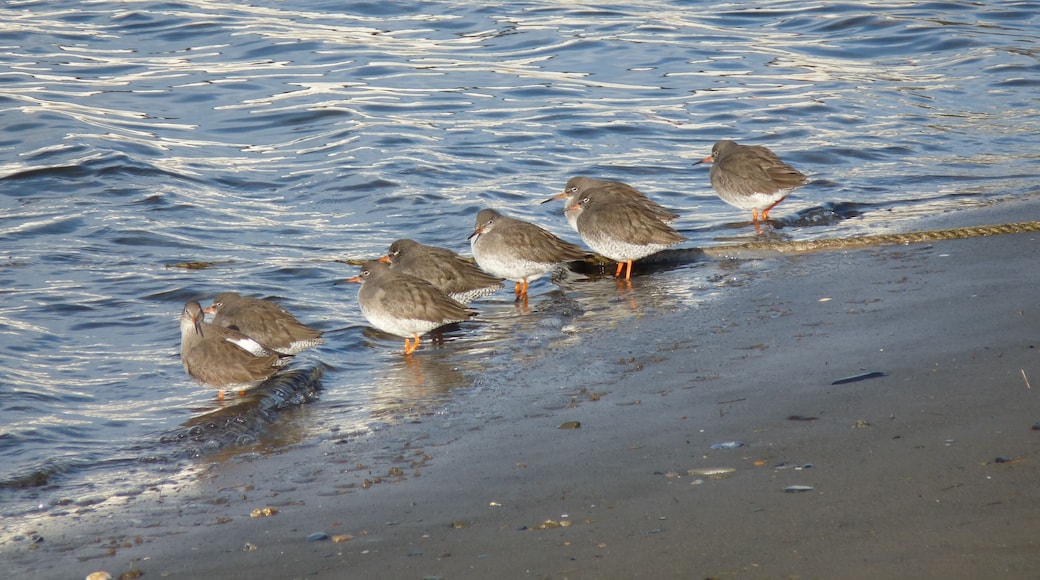
램지 여행 정보

클래식 로지 램지 파크
Park Road Ramsey Isle of Man
10월 11일부터 10월 12일까지 요금은 1박당 ₩146,879입니다.
₩146,879
총 요금: ₩154,227
10월 11일 ~ 10월 12일
세금 및 수수료 포함
램지의 출장 여행에 좋은 호텔입니다. 무료 아침 식사, 무료 WiFi, 무료 주차 등의 편의 시설/서비스를 이용하실 수 있죠. 주변에 그로브 빅토리안 라이프 박물관, 호버 카트 시티 같은 인기 명소가 있어 관광을 즐기기에도 좋아요.
9/10 매우 훌륭함! (이용 후기 248개)
"Pillows need replacing, really flat. Bathroom ventilator panel above the bath covers the bath and other area with filthy debris when the wind blows. Breakfast was not good, waiting for plates, buffet items not being topped up. Bacon the worst obviously prepacked and defrosted as the bad taste of ..."
후기 작성 날짜: 2026년 9월 12일

베 무아르 게스트하우스
Coburg Road Ramsey Isle of Man
램지에 있는 이 게스트하우스에 숙박해 보세요! 무료 아침 식사, 무료 WiFi, 무료 주차 등의 편의 시설/서비스를 이용하실 수 있죠. 주변에 그로브 빅토리안 라이프 박물관, 호버 카트 시티 같은 인기 명소가 있어 관광을 즐기기에도 좋아요.
9.8/10 최고 좋음! (이용 후기 8개)
"Lovely clean room, comfy bed and great breakfast"
후기 작성 날짜: 2026년 7월 24일
표시된 요금은 지난 24시간 이내 성인 2명 1박 기준 최저가입니다. 요금과 예약 가능 여부는 변경될 수 있으며, 추가 약관이 적용될 수 있습니다.
킬뮈어
Ballure Promenade Ramsey Isle of Man
램지의 해변 코티지입니다. 무료 WiFi, 무료 주차, 해변 등의 편의 시설/서비스를 이용하실 수 있죠. 주변에 호버 카트 시티, 밀른타운 집 같은 인기 명소가 있어 관광을 즐기기에도 좋아요.

틴월드 아파트
5 Tynwald Street Douglas
더글러스에 있는 이 아파트에 숙박해 보세요! 무료 WiFi, 세탁 시설, 위성 TV 채널 등의 편의 시설/서비스를 이용하실 수 있죠. 주변에 맹크스 박물관, 더글러스 비치 같은 인기 명소가 있어 관광을 즐기기에도 좋아요.
10/10 최고 좋음! (이용 후기 2개)
"We stayed for the TT and found the location perfect. We could walk into Douglas via different routes and walk to Bray Hill and Braddan Bridge in 1/2 hour. 😎"
후기 작성 날짜: 2025년 6월 13일

쿠나드 아파트먼트
28-29 Loch Promenade Douglas Isle of Man
더글러스의 해변 아파트식 호텔입니다. 무료 WiFi, 무료 주차, 공항 셔틀(요금 별도) 등의 편의 시설/서비스를 이용하실 수 있죠. 주변에 맹크스 박물관, 더글러스 비치 같은 인기 명소가 있어 관광을 즐기기에도 좋아요.
8.2/10 매우 좋음! (이용 후기 32개)
"Five star view. Would be great apartment if it were cleaned and maintained."
후기 작성 날짜: 2026년 7월 22일
표시된 요금은 지난 24시간 이내 성인 2명 1박 기준 최저가입니다. 요금과 예약 가능 여부는 변경될 수 있으며, 추가 약관이 적용될 수 있습니다.