ํ…Œ๋ฆฌ๋ฒ ๋ฅด์นด

์—ฌํ–‰ ๊ฐ€์ด๋“œ

#Adventure Contest
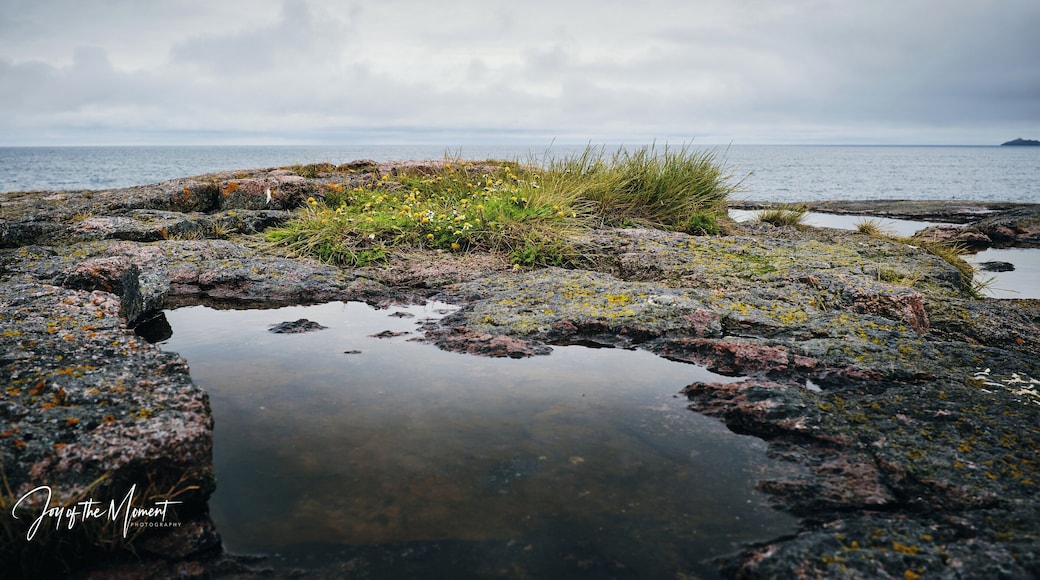
Did you know that the word โ€œtundraโ€ was born here, on the Kola Peninsula and means "treeless mountains" in Kildin Sami, the language of the local ingenious people that had inhabited these lands since before 12th century when the Russian settlers reached the area. "Tundra" usually refers only to the areas with the permanently frozen soil. Itโ€™s amazing how you can tell the average summer temperature by the height of the vegetation in the area and how every degree of warmth matters. โœ”๏ธIf you only see prostrate (or creeping, or dwarf) shrubs, it means that it doesnโ€™t get warmer than 3โ€“5ยฐC (37-41ยฐF) in July. โœ”๏ธPlants 15 cm (6 in) tall boast temperature of 5โ€“7ยฐC (41-45ยฐF). โœ”๏ธShrubs up to 40 cm (16 in) in heigh get 7โ€“9ยฐC (45-48ยฐF). โœ”๏ธThe 2 m (80 in) tall trees grow when it generally warms up to 9โ€“11ยฐC (48-52ยฐF).
#Adventure Contest
Did you know that the word โ€œtundraโ€ was born here, on the Kola Peninsula and means "treeless mountains" in Kildin Sami, the language of the local ingenious people that had inhabited these lands since before 12th century when the Russian settlers reached the area. "Tundra" usually refers only to the areas with the permanently frozen soil. Itโ€™s amazing how you can tell the average summer temperature by the height of the vegetation in the area and how every degree of warmth matters. โœ”๏ธIf you only see prostrate (or creeping, or dwarf) shrubs, it means that it doesnโ€™t get warmer than 3โ€“5ยฐC (37-41ยฐF) in July. โœ”๏ธPlants 15 cm (6 in) tall boast temperature of 5โ€“7ยฐC (41-45ยฐF). โœ”๏ธShrubs up to 40 cm (16 in) in heigh get 7โ€“9ยฐC (45-48ยฐF). โœ”๏ธThe 2 m (80 in) tall trees grow when it generally warms up to 9โ€“11ยฐC (48-52ยฐF).
#Adventure contest
In the Middle Ages, the Barents Sea was known as the Sea of the Murmans (the word for โ€œthe Norwegiansโ€ that eventually gave name to the city of Murmansk). The Barents Sea is also called "The Devil's Dance Floor" and "Devil's Jaw" due to its unpredictability and difficulty level.
It is officially part of the Arctic Ocean, but in its characteristics itโ€™s gradually leaning towards the Atlantic Ocean as its waters are getting warmed up by the drifts of the Atlantic. In the ports of Murmansk (Russia) and Vardรธ (Norway) the sea remains ice-free year round.