๋ฐ˜์ž๋ฅด์‚ฌ๋ฆฌ

์ˆ˜๋ผ์นด๋ฅดํƒ€

At the museum no photos are allowed which is really unfortunate as it was well worth the visit and the guided tour is definitely not to be missed. In the museum there are even Batik made from the Dutch era which depicts stories like Little Red Riding Hood and Snow White!

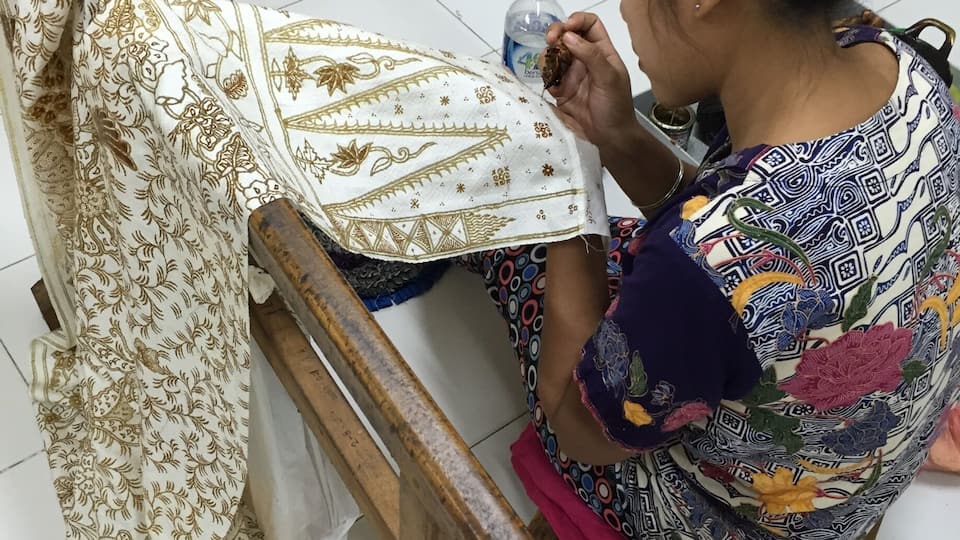
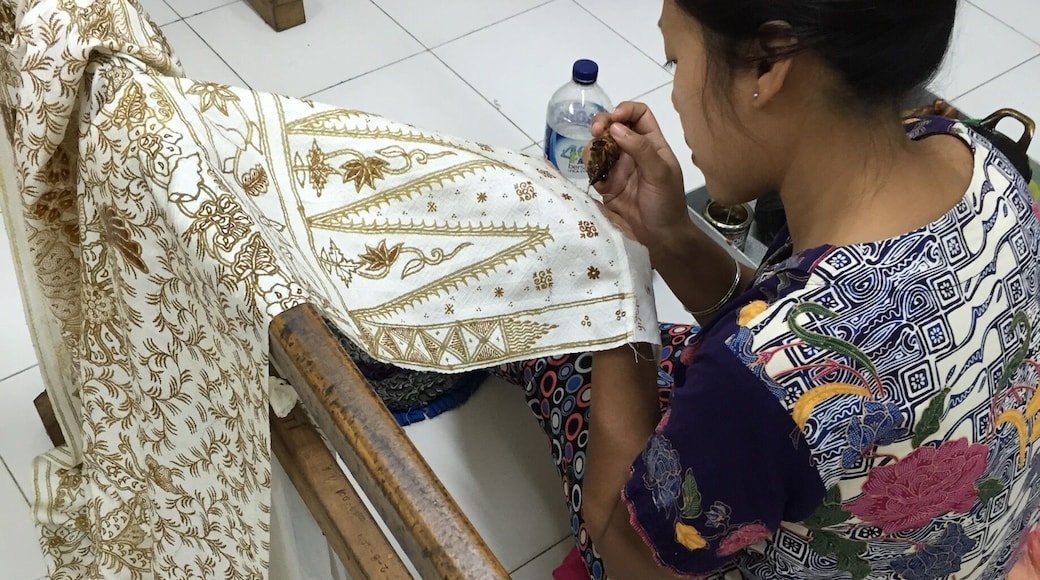
I enjoyed the tour v much and at the end of the tour we were brought to this room where the artisan were working on hand drawn batik.

Below is an excerpt from Wikipedia for anyone interested in learning more about the process of batik making.

Firstly, a cloth is washed, soaked and beaten with a large mallet. Patterns are drawn with pencil and later redrawn using hot wax, usually made from a mixture of paraffin or bees wax, sometimes mixed with plant resins, which functions as a dye-resist. The wax can be applied with a variety of tools. A pen-like instrument called a canting (IPA: [tสƒantiล‹], sometimes spelled with old Dutch orthography tjanting) is the most common. A canting is made from a small copper reservoir with a spout on a wooden handle. The reservoir holds the resist which flows through the spout, creating dots and lines as it moves. For larger patterns, a stiff brush may be used. Alternatively, a copper block stamp called a cap (IPA: [tสƒap]; old spelling tjap) is used to cover large areas more efficiently.

After the cloth is dry, the resist is removed by scraping or boiling the cloth. The areas treated with resist keep their original color; when the resist is removed the contrast between the dyed and undyed areas forms the pattern. This process is repeated as many times as the number of colors desired.

The most traditional type of batik, called batik tulis (written batik), is drawn using only the canting. The cloth need to be drawn on both sides and dipped in a dye bath three to four times. The whole process may take up to a year; it yields considerably finer patterns than stamped batik.

Source: Wikipedia
At the museum no photos are allowed which is really unfortunate as it was well worth the visit and the guided tour is definitely not to be missed. In the museum there are even Batik made from the Dutch era which depicts stories like Little Red Riding Hood and Snow White!

I enjoyed the tour v much and at the end of the tour we were brought to this room where the artisan were working on hand drawn batik.

Below is an excerpt from Wikipedia for anyone interested in learning more about the process of batik making.

Firstly, a cloth is washed, soaked and beaten with a large mallet. Patterns are drawn with pencil and later redrawn using hot wax, usually made from a mixture of paraffin or bees wax, sometimes mixed with plant resins, which functions as a dye-resist. The wax can be applied with a variety of tools. A pen-like instrument called a canting (IPA: [tสƒantiล‹], sometimes spelled with old Dutch orthography tjanting) is the most common. A canting is made from a small copper reservoir with a spout on a wooden handle. The reservoir holds the resist which flows through the spout, creating dots and lines as it moves. For larger patterns, a stiff brush may be used. Alternatively, a copper block stamp called a cap (IPA: [tสƒap]; old spelling tjap) is used to cover large areas more efficiently.

After the cloth is dry, the resist is removed by scraping or boiling the cloth. The areas treated with resist keep their original color; when the resist is removed the contrast between the dyed and undyed areas forms the pattern. This process is repeated as many times as the number of colors desired.

The most traditional type of batik, called batik tulis (written batik), is drawn using only the canting. The cloth need to be drawn on both sides and dipped in a dye bath three to four times. The whole process may take up to a year; it yields considerably finer patterns than stamped batik.

Source: Wikipedia

๊ฐ€๋ณผ ๋งŒํ•œ ์ธ๊ธฐ ๋ช…์†Œ


๋ฐ˜์ž๋ฅด์‚ฌ๋ฆฌ์˜ ์ธ๊ธฐ ํ˜ธํ…”

๋ชจํžˆ ์†”๋กœ

๋ชจํžˆ ์†”๋กœ

3.5 out of 5
Jl. Slamet Riyadi No.173, Kemlayan Surakarta Central Java
2์›” 18์ผ๋ถ€ํ„ฐ 2์›” 19์ผ๊นŒ์ง€ ์š”๊ธˆ์€ 1๋ฐ•๋‹น โ‚ฉ47,009์ž…๋‹ˆ๋‹ค.
โ‚ฉ47,009
/1๋ฐ•
2์›” 18์ผ ~ 2์›” 19์ผ
์ˆ˜๋ผ์นด๋ฅดํƒ€์— ์žˆ๋Š” ์ด ํ˜ธํ…”์— ์ˆ™๋ฐ•ํ•ด ๋ณด์„ธ์š”! ๋ฌด๋ฃŒ WiFi, ๋ฌด๋ฃŒ ์ฃผ์ฐจ, ์•„์นจ ์‹์‚ฌ(์š”๊ธˆ ๋ณ„๋„) ๋“ฑ์˜ ํŽธ์˜ ์‹œ์„ค/์„œ๋น„์Šค๋ฅผ ์ด์šฉํ•˜์‹ค ์ˆ˜ ์žˆ์ฃ . ์ฃผ๋ณ€์— ๋ผ๋“œ์•ผ ๋ฐ•๋ฌผ๊ด€ ๋„์„œ๊ด€, ๋ง์ฟ ๋„ค๊ฐ€๋ž€ ๊ถ์ • ๊ฐ™์€ ์ธ๊ธฐ ๋ช…์†Œ๊ฐ€ ์žˆ์–ด ๊ด€๊ด‘์„ ์ฆ๊ธฐ๊ธฐ์—๋„ ์ข‹์•„์š”.
9.2/10 Wonderful! (์ด์šฉ ํ›„๊ธฐ 7๊ฐœ)
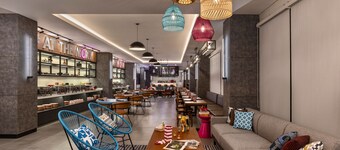
It was a chic and clean hotel in the center of the city. The staff was very friendly.

ํ›„๊ธฐ ์ž‘์„ฑ ๋‚ ์งœ: 2024๋…„ 12์›” 28์ผ

๋ชจํžˆ ์†”๋กœ
๋…ธ๋ณดํ…” ์†”๋กœ

๋…ธ๋ณดํ…” ์†”๋กœ

4 out of 5
Jalan Slamet Riyadi 272 Surakarta Central Java
์ „์•ก ํ™˜๋ถˆ ๊ฐ€๋Šฅ์ง€๊ธˆ ์˜ˆ์•ฝํ•˜๊ณ  ์ˆ™๋ฐ• ์‹œ ๊ฒฐ์ œํ•˜์„ธ์š”!
2์›” 16์ผ๋ถ€ํ„ฐ 2์›” 17์ผ๊นŒ์ง€ ์š”๊ธˆ์€ 1๋ฐ•๋‹น โ‚ฉ39,633์ž…๋‹ˆ๋‹ค.
โ‚ฉ39,633
/1๋ฐ•
2์›” 16์ผ ~ 2์›” 17์ผ
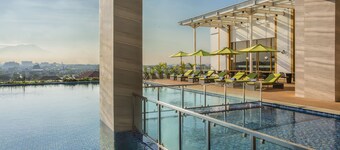
์ˆ˜๋ผ์นด๋ฅดํƒ€์˜ ์ŠคํŒŒ ํ˜ธํ…”์ž…๋‹ˆ๋‹ค. ๋ฌด๋ฃŒ WiFi, ๋ฌด๋ฃŒ ์ฃผ์ฐจ, 2 ๊ฐœ ์•ผ์™ธ ์ˆ˜์˜์žฅ ๋“ฑ์˜ ํŽธ์˜ ์‹œ์„ค/์„œ๋น„์Šค๋ฅผ ์ด์šฉํ•˜์‹ค ์ˆ˜ ์žˆ์ฃ . ์ฃผ๋ณ€์— ๋‹ค๋‚˜๋ฅด ํ•˜๋””, ๋ผ๋Œœ ํ‘ธ์Šคํƒ€์นด ๋ฐ•๋ฌผ๊ด€ ๊ฐ™์€ ์ธ๊ธฐ ๋ช…์†Œ๊ฐ€ ์žˆ์–ด ๊ด€๊ด‘์„ ์ฆ๊ธฐ๊ธฐ์—๋„ ์ข‹์•„์š”.
8/10 Very Good! (์ด์šฉ ํ›„๊ธฐ 113๊ฐœ)
Good
Good

ํ›„๊ธฐ ์ž‘์„ฑ ๋‚ ์งœ: 2025๋…„ 3์›” 23์ผ

๋…ธ๋ณดํ…” ์†”๋กœ
์Šค์œ„์Šค-๋ฒจํ˜ธํ…” ์†”๋กœ

์Šค์œ„์Šค-๋ฒจํ˜ธํ…” ์†”๋กœ

4 out of 5
Jalan Ahmad Yani 45 Surakarta Jawa Tengah
2์›” 1์ผ๋ถ€ํ„ฐ 2์›” 2์ผ๊นŒ์ง€ ์š”๊ธˆ์€ 1๋ฐ•๋‹น โ‚ฉ57,922์ž…๋‹ˆ๋‹ค.
โ‚ฉ57,922
/1๋ฐ•
2์›” 1์ผ ~ 2์›” 2์ผ
์ˆ˜๋ผ์นด๋ฅดํƒ€์˜ ์ŠคํŒŒ ํ˜ธํ…”์ž…๋‹ˆ๋‹ค. ๋ฌด๋ฃŒ WiFi, ๋ฌด๋ฃŒ ์ฃผ์ฐจ, ํ’€์„œ๋น„์Šค ์ŠคํŒŒ ๋“ฑ์˜ ํŽธ์˜ ์‹œ์„ค/์„œ๋น„์Šค๋ฅผ ์ด์šฉํ•˜์‹ค ์ˆ˜ ์žˆ์ฃ . ์ฃผ๋ณ€์— ๋‚˜์นด๋ฌด๋ผ ํด๋ฆฌ๋‹‰, ์ผ€ํ”„๋ผ๋ณธ ๊ณต์› ๊ฐ™์€ ์ธ๊ธฐ ๋ช…์†Œ๊ฐ€ ์žˆ์–ด ๊ด€๊ด‘์„ ์ฆ๊ธฐ๊ธฐ์—๋„ ์ข‹์•„์š”.
9.2/10 Wonderful! (์ด์šฉ ํ›„๊ธฐ 38๊ฐœ)
Service attentionnรฉ. Hรฉbergement impeccable. Idรฉal pour le travail. Vue incroyable sur la grande mosquรฉe et les montagnes.

ํ›„๊ธฐ ์ž‘์„ฑ ๋‚ ์งœ: 2025๋…„ 11์›” 14์ผ

์Šค์œ„์Šค-๋ฒจํ˜ธํ…” ์†”๋กœ
๋ ˆ๋“œ ์น ๋ฆฌ์Šค ํ˜ธํ…”

๋ ˆ๋“œ ์น ๋ฆฌ์Šค ํ˜ธํ…”

3.5 out of 5
jl aA Yani 286 gondang Surakarta Central Hotel
์ˆ˜๋ผ์นด๋ฅดํƒ€์˜ ์ถœ์žฅ ์—ฌํ–‰์— ์ข‹์€ ํ˜ธํ…”์ž…๋‹ˆ๋‹ค. ๋ฌด๋ฃŒ WiFi, ๋ฌด๋ฃŒ ์ฃผ์ฐจ, ์•„์นจ ์‹์‚ฌ(์š”๊ธˆ ๋ณ„๋„) ๋“ฑ์˜ ํŽธ์˜ ์‹œ์„ค/์„œ๋น„์Šค๋ฅผ ์ด์šฉํ•˜์‹ค ์ˆ˜ ์žˆ์ฃ . ์ฃผ๋ณ€์— ๋ฐœ๋ ˆ์บ„๋ฐฉ ์‹œํ‹ฐ ํŒŒํฌ, ์†”๋กœ ํŒŒ๋ผ๊ณค ๋ผ์ดํ”„์Šคํƒ€์ผ ๋ชฐ ๊ฐ™์€ ์ธ๊ธฐ ๋ช…์†Œ๊ฐ€ ์žˆ์–ด ๊ด€๊ด‘์„ ์ฆ๊ธฐ๊ธฐ์—๋„ ์ข‹์•„์š”.
๋ ˆ๋“œ ์น ๋ฆฌ์Šค ํ˜ธํ…”
์ด๋น„์Šค ์Šคํƒ€์ผ ์†”๋กœ

์ด๋น„์Šค ์Šคํƒ€์ผ ์†”๋กœ

3 out of 5
Jalan Gajah Mada 23 Surakarta Central Java
2์›” 21์ผ๋ถ€ํ„ฐ 2์›” 22์ผ๊นŒ์ง€ ์š”๊ธˆ์€ 1๋ฐ•๋‹น โ‚ฉ31,221์ž…๋‹ˆ๋‹ค.
โ‚ฉ31,221
/1๋ฐ•
2์›” 21์ผ ~ 2์›” 22์ผ
์ˆ˜๋ผ์นด๋ฅดํƒ€์˜ ์ŠคํŒŒ ํ˜ธํ…”์ž…๋‹ˆ๋‹ค. ๋ฌด๋ฃŒ WiFi, ๋ฌด๋ฃŒ ์ฃผ์ฐจ, 2 ๊ฐœ ์•ผ์™ธ ์ˆ˜์˜์žฅ ๋“ฑ์˜ ํŽธ์˜ ์‹œ์„ค/์„œ๋น„์Šค๋ฅผ ์ด์šฉํ•˜์‹ค ์ˆ˜ ์žˆ์ฃ . ์ฃผ๋ณ€์— ๋ผ๋Œœ ํ‘ธ์Šคํƒ€์นด ๋ฐ•๋ฌผ๊ด€, ๋‹ค๋‚˜๋ฅด ํ•˜๋”” ๊ฐ™์€ ์ธ๊ธฐ ๋ช…์†Œ๊ฐ€ ์žˆ์–ด ๊ด€๊ด‘์„ ์ฆ๊ธฐ๊ธฐ์—๋„ ์ข‹์•„์š”.
8/10 Very Good! (์ด์šฉ ํ›„๊ธฐ 103๊ฐœ)
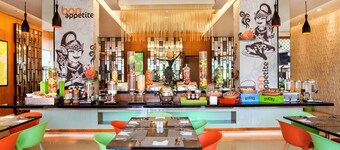
Perfect place for transit.......... Pool is delightful Bubur Ayam for breakfast ๐Ÿ˜

ํ›„๊ธฐ ์ž‘์„ฑ ๋‚ ์งœ: 2026๋…„ 1์›” 17์ผ

์ด๋น„์Šค ์Šคํƒ€์ผ ์†”๋กœ
FIM ๋ฐ”์ด ์ง€๊ทธ๋‚˜

FIM ๋ฐ”์ด ์ง€๊ทธ๋‚˜

3 out of 5
31 Jl. Yosodipuro Surakarta Jawa Tengah
์ˆ˜๋ผ์นด๋ฅดํƒ€์˜ ์ŠคํŒŒ ํ˜ธํ…”์ž…๋‹ˆ๋‹ค. ๋ฌด๋ฃŒ WiFi, ๋ฌด๋ฃŒ ์ฃผ์ฐจ, ํ’€์„œ๋น„์Šค ์ŠคํŒŒ ๋“ฑ์˜ ํŽธ์˜ ์‹œ์„ค/์„œ๋น„์Šค๋ฅผ ์ด์šฉํ•˜์‹ค ์ˆ˜ ์žˆ์ฃ . ์ฃผ๋ณ€์— ๋‚˜์นด๋ฌด๋ผ ํด๋ฆฌ๋‹‰, ๋ง์ฟ ๋„ค๊ฐ€๋ž€ ๊ถ์ • ๊ฐ™์€ ์ธ๊ธฐ ๋ช…์†Œ๊ฐ€ ์žˆ์–ด ๊ด€๊ด‘์„ ์ฆ๊ธฐ๊ธฐ์—๋„ ์ข‹์•„์š”.
9.4/10 Exceptional! (์ด์šฉ ํ›„๊ธฐ 6๊ฐœ)
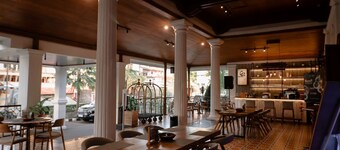
The hotel is an excellent place to stay. The hotel itself is not special or fancy, but it is well-run, clean, and located in the center of Solo. The breakfast buffet is excellent, the restaurant is good, and the hotel also has a nice cafe with an outside seating area. They featured life music at ...

ํ›„๊ธฐ ์ž‘์„ฑ ๋‚ ์งœ: 2025๋…„ 7์›” 19์ผ

FIM ๋ฐ”์ด ์ง€๊ทธ๋‚˜
ํ‘œ์‹œ๋œ ์š”๊ธˆ์€ ์ง€๋‚œ 24์‹œ๊ฐ„ ์ด๋‚ด ์„ฑ์ธ 2๋ช… 1๋ฐ• ๊ธฐ์ค€ ์ตœ์ €๊ฐ€์ž…๋‹ˆ๋‹ค. ์š”๊ธˆ๊ณผ ์˜ˆ์•ฝ ๊ฐ€๋Šฅ ์—ฌ๋ถ€๋Š” ๋ณ€๊ฒฝ๋  ์ˆ˜ ์žˆ์œผ๋ฉฐ, ์ถ”๊ฐ€ ์•ฝ๊ด€์ด ์ ์šฉ๋  ์ˆ˜ ์žˆ์Šต๋‹ˆ๋‹ค.

๋ฐ˜์ž๋ฅด์‚ฌ๋ฆฌ์˜ ๊ธฐํƒ€ ์ง€์—ญ

At the museum no photos are allowed which is really unfortunate as it was well worth the visit and the guided tour is definitely not to be missed. In the museum there are even Batik made from the Dutch era which depicts stories like Little Red Riding Hood and Snow White!

I enjoyed the tour v much and at the end of the tour we were brought to this room where the artisan were working on hand drawn batik.

Below is an excerpt from Wikipedia for anyone interested in learning more about the process of batik making.

Firstly, a cloth is washed, soaked and beaten with a large mallet. Patterns are drawn with pencil and later redrawn using hot wax, usually made from a mixture of paraffin or bees wax, sometimes mixed with plant resins, which functions as a dye-resist. The wax can be applied with a variety of tools. A pen-like instrument called a canting (IPA: [tสƒantiล‹], sometimes spelled with old Dutch orthography tjanting) is the most common. A canting is made from a small copper reservoir with a spout on a wooden handle. The reservoir holds the resist which flows through the spout, creating dots and lines as it moves. For larger patterns, a stiff brush may be used. Alternatively, a copper block stamp called a cap (IPA: [tสƒap]; old spelling tjap) is used to cover large areas more efficiently.

After the cloth is dry, the resist is removed by scraping or boiling the cloth. The areas treated with resist keep their original color; when the resist is removed the contrast between the dyed and undyed areas forms the pattern. This process is repeated as many times as the number of colors desired.

The most traditional type of batik, called batik tulis

์†”๋กœ ์‹œํ‹ฐ ์„ผํ„ฐ

์†”๋กœ ์‹œํ‹ฐ ์„ผํ„ฐ์—์„œ๋Š” ๋ฐ•๋ฌผ๊ด€ ๋ฐ ๋™๋ฌผ์› ๋“ฑ์„ ์ฆ๊ธธ ์ˆ˜ ์žˆ์Šต๋‹ˆ๋‹ค. ์‹œ๊ฐ„์„ ๋‚ด์–ด ์†”๋กœ ํŒŒ๋ผ๊ณค ๋ผ์ดํ”„์Šคํƒ€์ผ ๋ชฐ ๋˜๋Š” ์ผ€ํ”„๋ผ๋ณธ ๊ณต์›์—๋„ ๋“ค๋Ÿฌ๋ณด์„ธ์š”.

์†”๋กœ ์‹œํ‹ฐ ์„ผํ„ฐ


๋ฐ˜์ž๋ฅด์‚ฌ๋ฆฌ